13 October 2026
How to prioritize dive transects using a seasonal reef cover map
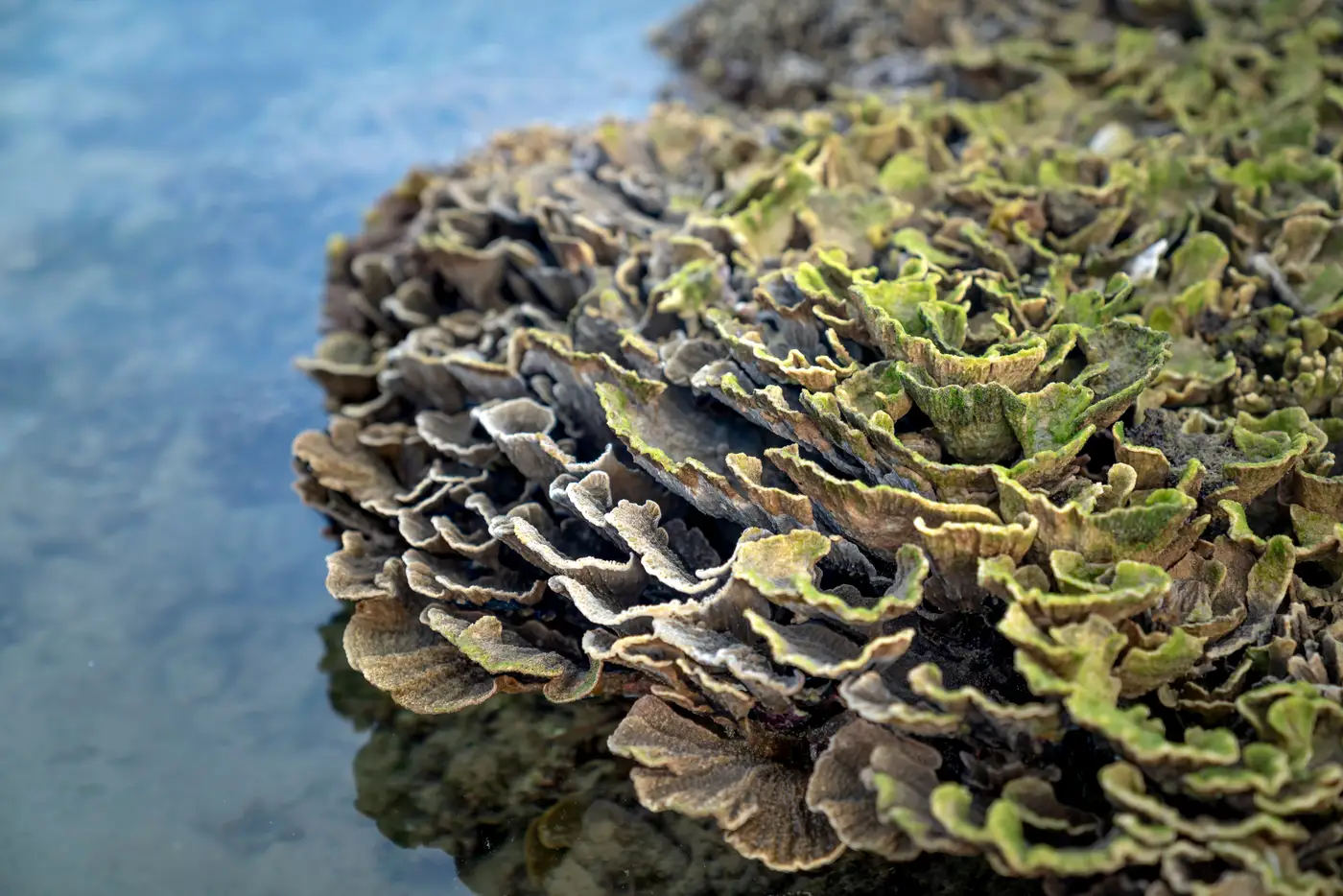
Every monitoring officer has the same problem at the start of a survey window: more reef flat than dive hours. You know roughly where the coral is thickest, where last year's bleaching hit, where the boat channel cuts through. But "roughly" is a guess dressed up as a plan, and guessing which transects to run first means some sections get checked every season while others go two or three years without a diver near them.
A seasonal reef cover map doesn't replace that judgment. It gives you something to point it at.
Read the cover classes before you read the flag layer
The map breaks the flat into coral, algae, rubble and sand, pulled from shallow-water reflectance rather than a dive log. Comparing two seasons side by side is where it earns its keep. A section that was mostly coral signature last season and shows more rubble or algae this time has lost cover between passes, and nobody got wet to confirm it.
That's your first filter for the dive roster: cells that changed class since last season deserve a look before cells that simply hold coral today. A patch that's been stable sand-and-rubble for three seasons running doesn't need a transect this cycle as badly as a patch where the cover class just flipped.
The bleaching flag layer narrows it further. It marks cells where the reflectance has shifted toward whitening since the last pass, a direct pointer to where to send a diver, not a verdict on what's happening underwater. Flagged cells belong at the top of the dive list; the rest of the flat still needs attention, just less urgently. A flag means the color signature paled out between seasons. It doesn't say whether that's thermal stress, sediment settling on the flat, a naturally pale rubble field, or glare off the water at low tide. Sorting out which one it is is exactly what the transect is for.
Building the actual dive order
Once you've got the cover map and the flag layer side by side, the prioritization gets fairly mechanical:
Start with cells that are both flagged and sit inside zones you'd normally check anyway, your core monitoring sites, the ones already in the long-term record. Those get first boots in the water because you need the ground-truth fast and you already have baseline data to compare against.
Next, flagged cells outside your usual rotation. These are the ones a transect schedule built purely on habit would miss entirely. If the signature shifted somewhere nobody's dived in two seasons, that's worth a slot even if it means cutting a site you'd normally run on autopilot.
Then unflagged cells that still warrant a look this cycle, either because they're due in the rotation or because the park has a specific reason to check them, a nearby runoff event, a reported bleaching call from a tour operator, that kind of thing.
What drops to the bottom: cover that reads the same as last season in a zone you've already got solid transect history on. Not zero priority, just not this week's dive hours.
What this does and doesn't settle
A reef flat survey plan built this way still runs on a park's own judgment about staffing, weather windows and which sites carry the most management weight. The cover map doesn't know your permit conditions or which section a researcher is publishing on this year. What it settles is which stretches of flat changed since the last pass, before you've committed a single tank to finding that out by hand.
It's also no substitute for the transect itself. Reflectance can flag a shift toward whitening without telling you whether that's bleaching, algal overgrowth, or a trick of the light at low spring tide. Divers settle that question. The map just tells you which stretch of flat deserves that diver's time first.
For officers juggling a short survey window against a long reef flat, that's the whole value: a wide first look that sorts the flat into checked-and-stable, changed-since-last-time, and needs-eyes-now, before the dive schedule gets locked in. Coral Reef Mapping builds that seasonal cover map and bleaching flag layer specifically for that first-look job. If your next survey window is coming up, it's worth seeing which sections of your flat it would flag before you write the dive roster.