26 October 2026
How often should you refly a reef flat between monitoring seasons?
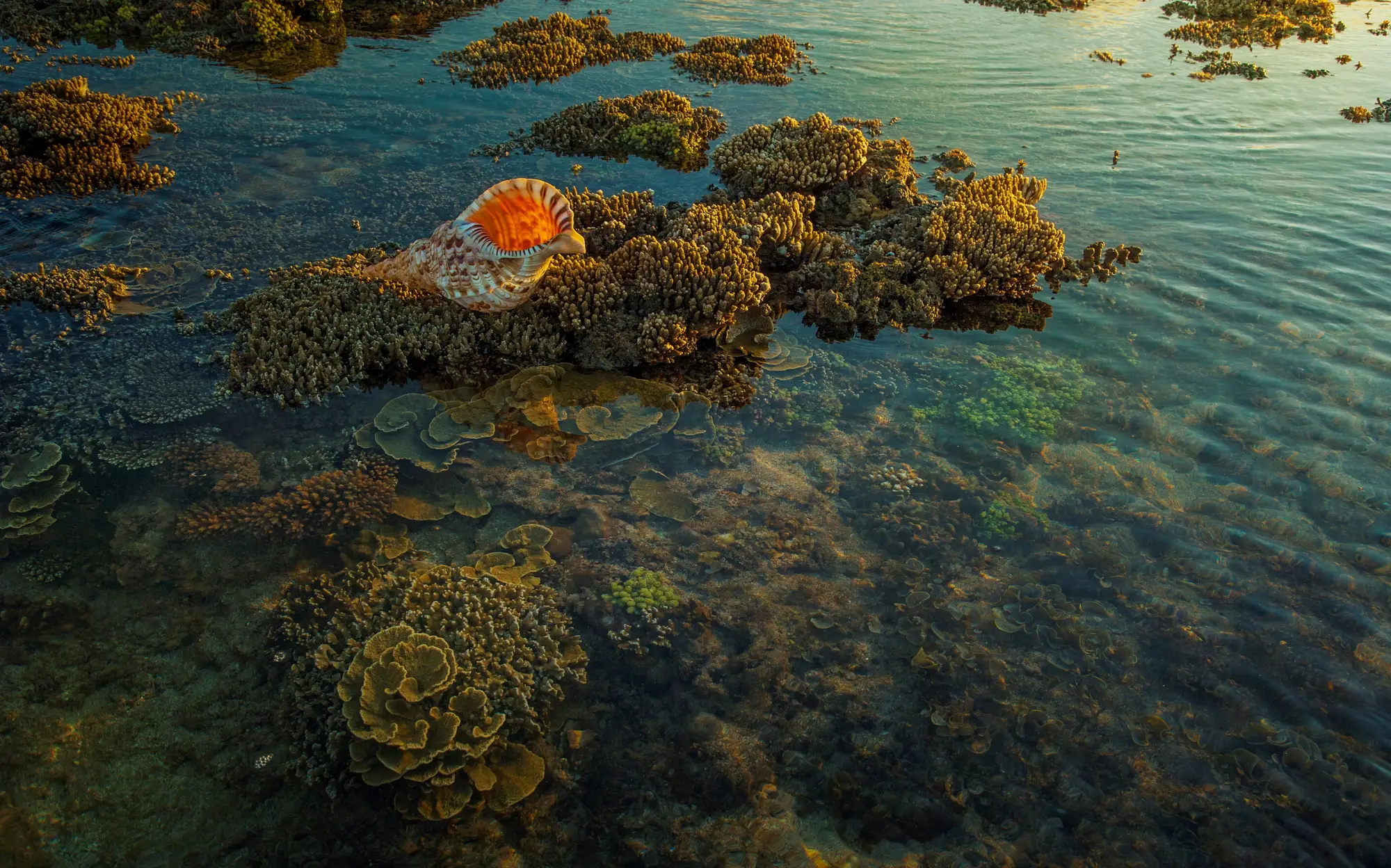
Every budget cycle, someone on the monitoring team asks the same question: do we need another pass over the flat before the next scheduled survey, or can it wait? There's no single answer that fits every park, but there's a reasonable way to think it through.
What actually drives the interval
Coral doesn't change state overnight under normal conditions. A healthy flat with stable algae and sand cover can go a full season, sometimes longer, without a meaningful shift in what you'd see from above. A marine heat spike, a storm that reshuffles rubble, or a bleaching advisory from the regional watch system can collapse that timeline to a few weeks. A quiet, thermally stable stretch with no advisories can stretch it well past a single season.
The things that shorten the gap are thermal stress events, a storm that's moved rubble around, a bleaching warning from the regional watch system, or a report from a dive operator that something looks off on a specific flat. The things that let you stretch the gap are a quiet season, stable sea surface temperature, and a monitoring area that came back clean on the last pass.
Seasonal cadence as the default
For most reef flats under routine monitoring, a seasonal cadence works: one pass per season, timed to line up with your existing transect schedule rather than running ahead of it. That gives you four looks a year at most, often fewer if your park only runs surveys in the dry months when water clarity holds up.
That cadence tells you, before you spend the charter day and the tank fills, which flats are worth prioritizing this round, ahead of the transect data divers collect in the water. A reef flat that's held steady cover class to cover class since the last pass is a lower priority than one where the signature's drifted toward whitening. Scheduling divers against that kind of signal, rather than rotating through every site on a fixed list regardless of condition, is the actual argument for keeping a seasonal rhythm rather than reflying constantly or not at all.
When to break the regular schedule
A few situations are worth an off-cycle pass rather than waiting for the next seasonal window:
A marine heat wave advisory for your region, especially one with a degree heating week value climbing toward thresholds that have triggered bleaching locally before. A cyclone or strong swell event that could have shifted rubble or buried coral in sediment. A tip from a ranger patrol or tour operator describing visible paling on a flat that wasn't flagged last season.
None of these need a full refly of every monitoring area. Usually it's one or two flats near the event that justify the extra pass, with the rest staying on the regular seasonal track.
Building it into the survey calendar
If you're setting cadence for the year, a practical approach is to lock in the seasonal passes against your existing dive windows, wet season start, dry season peak, whatever your park runs on, and leave one or two unscheduled slots in the budget for conditions that come up mid-year. That way an unexpected heat event doesn't mean cutting a planned transect somewhere else to pay for it.
It also helps to treat each pass as a comparison against the last one rather than a standalone snapshot. Watching how coral, algae, rubble and sand proportions move from one season to the next on the same flat is where the value sits, and it's what catches movement toward stress before the dive team gets there.
If you're trying to work out where this fits for your own monitoring areas, a seasonal pass over your reef flats before the next dive window is the kind of first look this site is built around. Worth a look if your next scheduling meeting is coming up.