9 November 2026
How a runoff plume throws off a reef flat satellite read after heavy rain
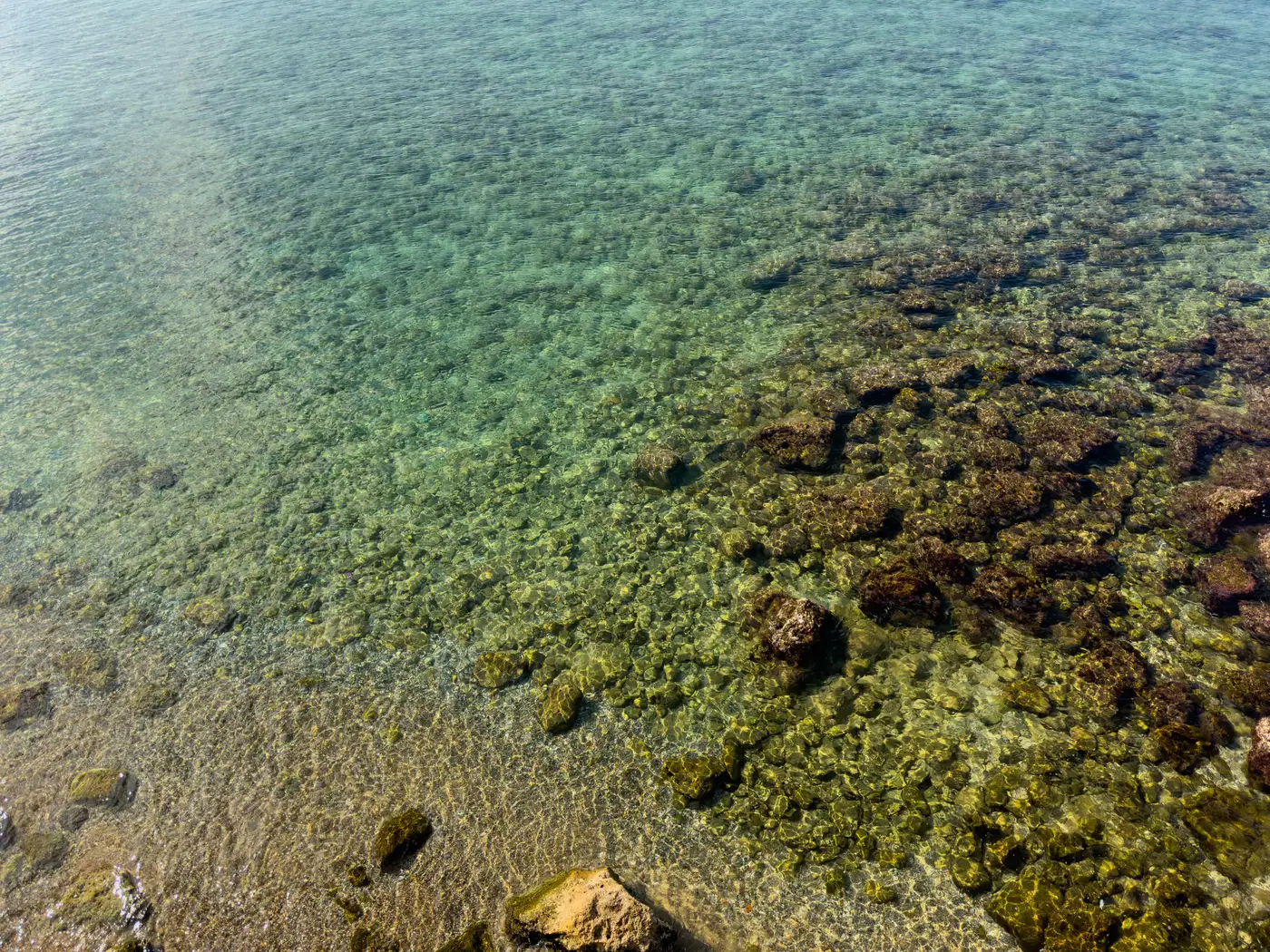
A storm rolls through, the catchment drains, and a day or two later your reef flat pulls up on the latest pass looking pale across a band that was solid coral cover last season. Before anyone logs a bleaching event, it's worth asking what the water column was doing on the day that scene was captured.
Freshwater runoff carries sediment, tannins, and dissolved organic matter off the land, and all three change how light moves through the water before it ever reaches the reef. A sediment plume scatters light and raises the brightness of the water surface itself, which can wash out the spectral contrast a cover classification depends on. Tannin-stained runoff does the opposite in places, darkening a channel while brightening the shallows around it as sediment settles out. Either way, the signal the sensor records over that reef flat is doing double duty: part reef, part water column.
Why the signature looks like whitening
Bleaching flags work by picking up a shift toward brighter, flatter reflectance where coral used to show the mixed signature of live tissue and algae. A turbidity event produces something that can look similar from orbit. Suspended sediment scatters light back up before it hits the bottom at all, so a patch of healthy coral sitting under three days of runoff can read paler than it did the week before, with no actual change in the coral itself. The plume hasn't bleached anything. It's sitting on top of the read.
This is the exact failure mode a monitoring officer has to catch before it turns into a dive callout. Pulling a reef flat that looks fine in June and flagged in September, right after a named rain event upstream, is the first tell. Check the date against the rainfall record for the catchment, not just the reef. A plume from a river mouth can drift a kilometer or more across a flat on an outgoing tide, so the flagged area sometimes lines up with the plume's footprint rather than with any particular coral community.
Separating plume from bleaching in the read
A few things help pull the two apart without a dive:
- Edge shape. A plume-driven brightening tends to follow the hydrology: a fan or tongue shape spreading from a river mouth or drainage channel, fading with distance. A bleaching signature tends to follow the reef geometry instead, showing up on specific coral stands or depth bands regardless of where the freshwater is coming from.
- Timing against rainfall. If the pass lines up within a few days of a heavy rain event in the catchment, treat the read as provisional. Waiting one more pass, after the water has cleared, is usually cheaper than a dive team driving out to check a plume.
- Repeat on the next clear pass. Seasonal cadence means you're not stuck with one image. If the pale patch has faded back toward a normal coral signature two or three weeks later with no further rain, that's a strong sign it was turbidity, not stress.
None of this replaces ground truth. A reef flat can genuinely bleach in the same window a plume moves through, especially after a hot, wet summer where freshwater stress and thermal stress land together. What the comparison buys you is a reason to send divers to the right patch, on the right week, instead of chasing every pale pixel the week after a storm.
If your monitoring area sits downstream of a seasonal catchment, it's worth building that rainfall check into how you read each pass before you commit transect time to it. Coral Reef Mapping builds a seasonal reef cover map and bleaching flag layer for exactly that kind of first look, so a flagged patch gets checked against the season's pattern before anyone wades in.