16 November 2026
Packing for a survey window that might close before we launch
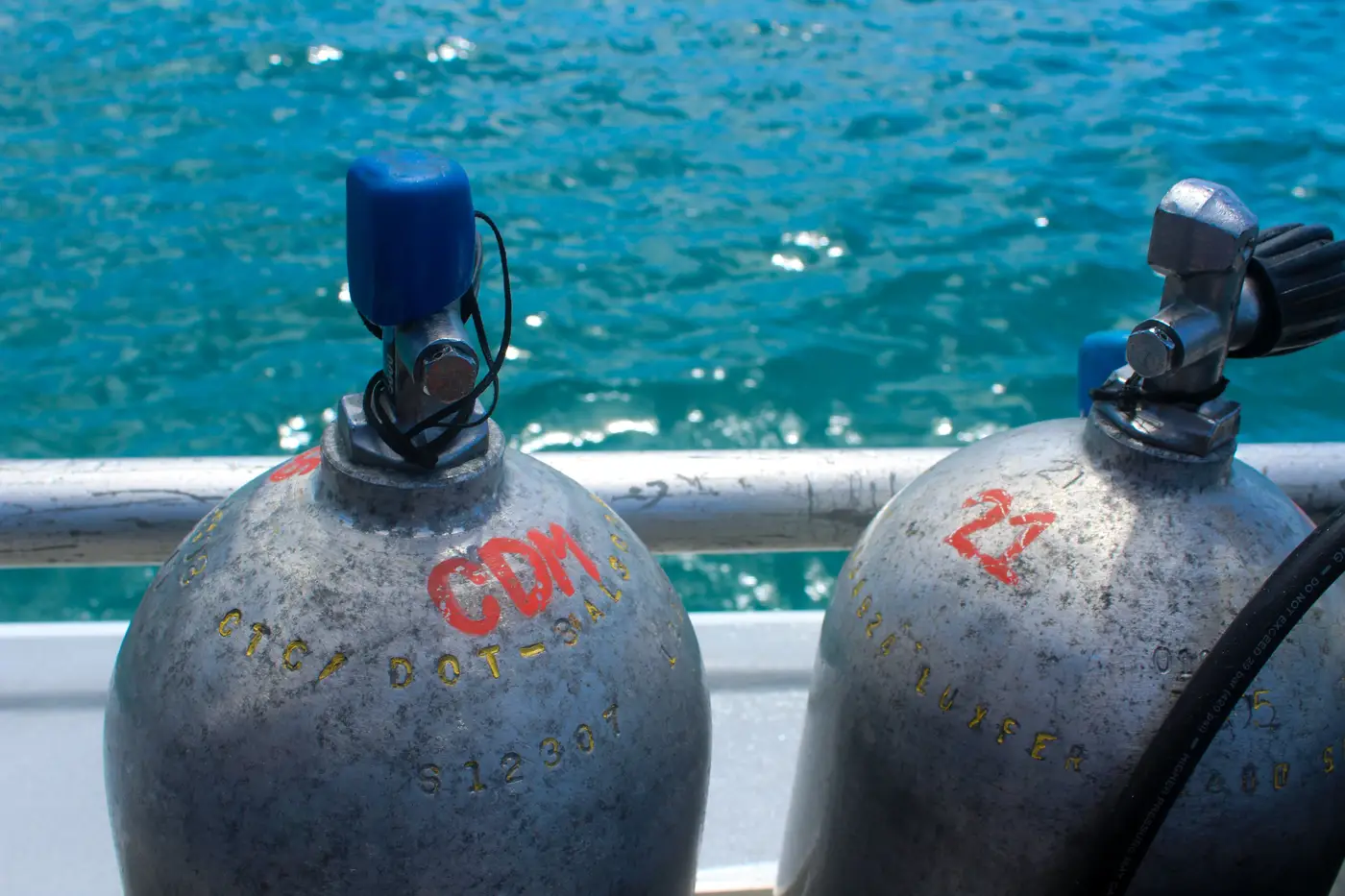
The forecast this morning said 1.1 m swell dropping to 0.6 m by eleven, which in practice means nothing until the boat captain looks at the channel himself and shrugs one way or the other. I packed anyway. Dry bags, slates, the spare transect tape because the good one frayed last trip, spare O-rings, sunscreen that actually survives a wetsuit zip, three bananas because the last survey ran long and nobody ate lunch.
This is the part of the job nobody puts in the methods section: the packing list for a window that might not open. You load the truck for a full day of transects on the north flat, knowing there's a real chance you'll be back at the ramp by nine with wet gear and nothing logged.
Seasonal surveys run on a tide-and-weather intersection that's narrower than people outside the program assume. Low spring tide over the flat, swell under a meter, wind under 15 knots, and a dive team that isn't already out on a fish count somewhere else. Line those up for more than a six-hour block and you've had a good week. Most weeks you get a four-hour crack at it and you take it whether or not the light is right for photo quadrats.
The gear hasn't changed much in two seasons. The morning before it goes anywhere has. We used to commit the dive team to a site based on last quarter's notes and a gut feeling about which stretch of flat looked stressed on the last pass.
Now we check the cover picture for the monitoring area the night before, see where the signature has drifted toward whitening since last season, and pack for that section first if the window turns out to be short. Divers still go in, slates still get written on, and the official record still comes only from the water. When the captain gives us a four-hour window instead of the eight we planned for, we already know which third of the flat to prioritize. A seasonal reef cover map for the flat told us which section to hit first, without adding a boat trip to get it.
There's a frustration specific to this trade that doesn't translate well outside it. You can do everything right: permits filed, tanks filled, team briefed, tide table checked three times. The ocean doesn't cooperate anyway, and the window you built the whole week around closes an hour before you reach the site. Planning well here means planning for the closure as much as for the day you hoped for. It means knowing which site you'd have hit first if you'd had the full eight hours, so a four-hour trip still logs data on the stretch that needed it most.
I've started keeping a second list alongside the gear list: what to prioritize if the window shrinks. Flat section A if whitening's showing since last quarter, flat section C if it isn't, and skip the photo quadrats entirely if the light's already going by the time we're in the water. It's a dumb little triage sheet, handwritten, taped inside the dry box lid. It's saved more than one half-day from being a wasted trip.
The swell dropped to 0.7 m by ten. We got three hours on the flat and most of the quadrats we needed on section A, which for a four-hour window is a solid day's work.
If your survey windows are as unreliable as mine, it's worth having that seasonal wide-angle look ready before the tide table makes the decision for you.